
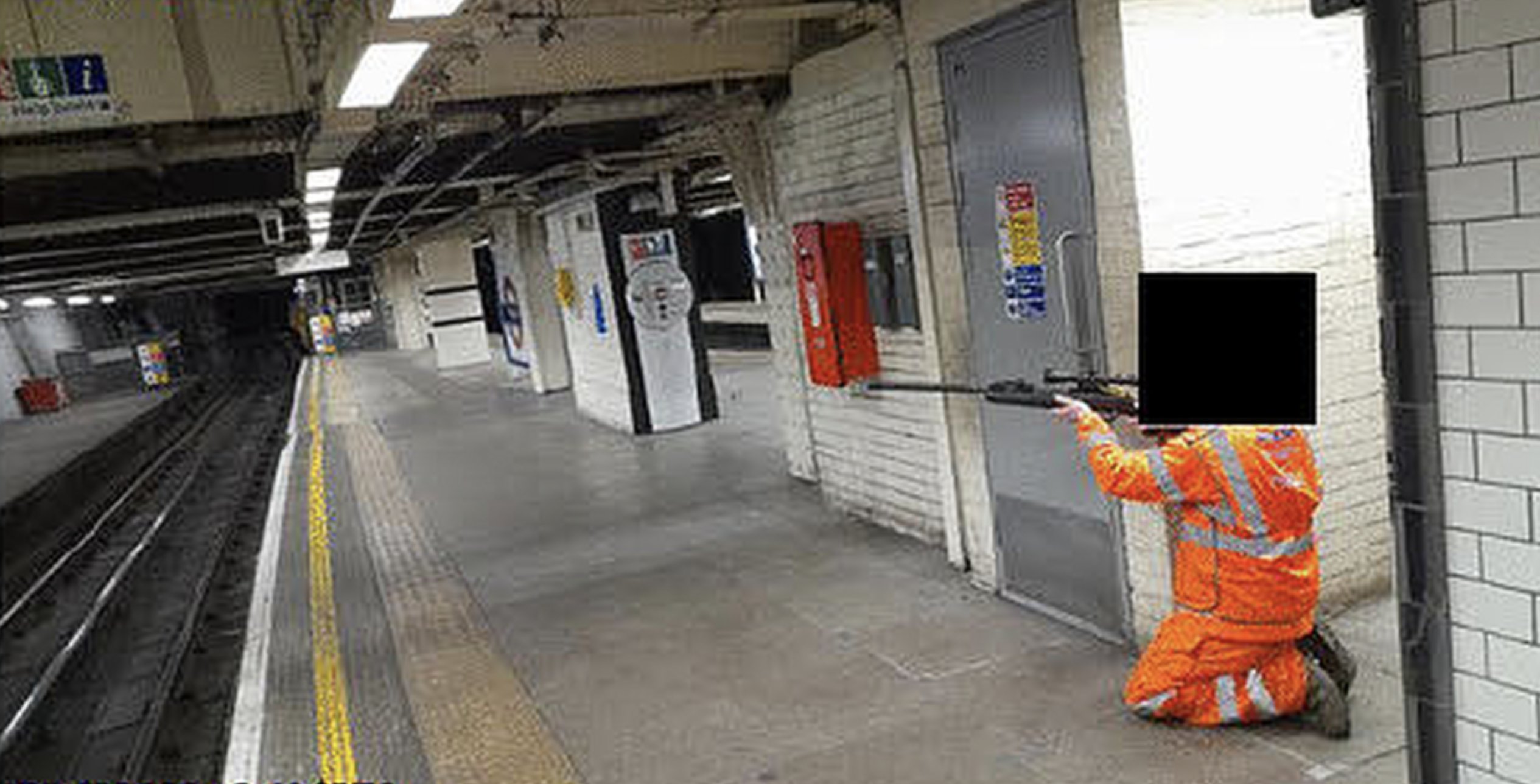

Two years of internal records unmask the actions of a contractor, who completed at least 123 shoots under TfL’s misguided desire to eradicate all pigeons from their sites.
Manchester Pigeon Rehab sent Freedom of Information requests to Transport for London to understand its use of lethal bird control. TfL disclosed detailed shoot reports revealing over 650 birds had been shot and that not all birds were killed instantly.
Shoots took place at stations and depots, and typically happened out of hours between midnight and 5am. Reasons listed included birds trapped behind netting, birds spotted nesting and issues with droppings.
Workers located roosting or nesting pigeons before shooting at them with air rifles. Many birds were not killed by the initial shot so more were fired, and in two very concerning cases birds that had been hit escaped. If nests or eggs were found they were destroyed. Nesting chicks were also killed by workers who used tools to snap their necks.
The dead birds were collected and thrown out like trash, sometimes together with their nest and eggs. Blood stains, feathers and any other evidence that shooting took place were cleaned up before commuters arrived in the morning.
Lethal control was used as a routine operational activity, with birds reduced to pests that must be eradicated.
Trapped, shot and binned
On twelve occasions birds entered or became trapped behind netting. Workers attended, only to take the bird's lives one by one while they remained behind the netting.
Some job reports do not provide a justification for shooting. One worker wrote “culling was also carried out to remove the trapped birds“ without indicating release had been attempted. Birds living around Woodford Station were particularly unlucky: 3 netting and shooting incidents happened there over a 16 month period.
Birds trapped behind netting have little or no opportunity to escape. Being shot at while confined is likely to be a highly stressful experience for any animal. This is especially true for pigeons, whose natural instincts would be to take flight in such a situation.
Birds remained alive after being struck
When workers couldn't kill a bird on the first shot they fired again. TfL confirmed many birds were not killed instantly.
“Yes, four shots were fired that hit the bird but did not result in an instant kill, which is why 20 shots were fired and 16 culled pigeons recorded.”
Transport for London
Records revealed that 269 on target shots were fired killing 220 birds, meaning 18% of shots were additional. It’s unclear if every pellet struck an area capable of causing immediate incapacitation.
Two reports explicitly mention birds escaping after being hit. What happened to them?
At Ruislip Depot, a worker wrote “1 pigeon flew [out] the open doors [after] being shot, despite best efforts it couldn't be located to be able to remove”. In a second incident at New Cross Gate Depot, a worker wrote a “pigeon flew down and exited the shed and landed along the live tracks”.
Generally, birds that escape after being struck and do not die outright can suffer lifelong disabilities. Others may endure prolonged suffering before eventually dying from their injuries.
At Stanmore Station, a lone bird was shot and then pinned to the ground by a worker, who taking a photo as they lay bleeding on the station floor. When asked, TfL said the bird was being stabilised and the shooting was humane.
Killing defenceless chicks
Government guidance suggests that workers avoid shooting during breeding season, yet culls went ahead throughout the year. At least 17 active nests and 7 dependent chicks were removed.
When asked, TfL said bird dispatcher tools had been used to kill chicks. These are devices that snap necks.
At Hendon Central, a worker photographed two chicks sitting in a nest. The job notes read two fledglings had been “removed” along with a second photo of dead birds in a bin bag. It’s unclear if the parents were also killed during this operation, or if they returned to find their chicks and nest gone.
At Arnos Grove Station, two chicks no older than two weeks were photographed dead on the platform. No explanation was provided in the report and TfL said it held no records of nest surveys being carried out before workers started shooting.
Transport for London's response
TfL said it conducted spot checks of job completion records. It stated no issues were identified and the shoots met its animal welfare requirements. It remains unclear how much animal suffering is permitted in TfL guidance.
“We believe the suppliers have delivered the work in line with the animal welfare standards set out in our guidance.”
Transport for London
TfL has maintained that pigeons and nests were removed only as a last resort after alternatives had failed, citing removal being necessary to prevent health risks and structural damage.